Active Release Therapy (ART)

Active Release Technique is a specialized soft tissue therapy used to treat muscle tightness, restricted movement, and chronic tension. Whether you are an athlete managing overuse injuries or someone dealing with day-to-day aches and stiffness, ART is designed to help your body move and feel the way it should.

What is Active Release Therapy?

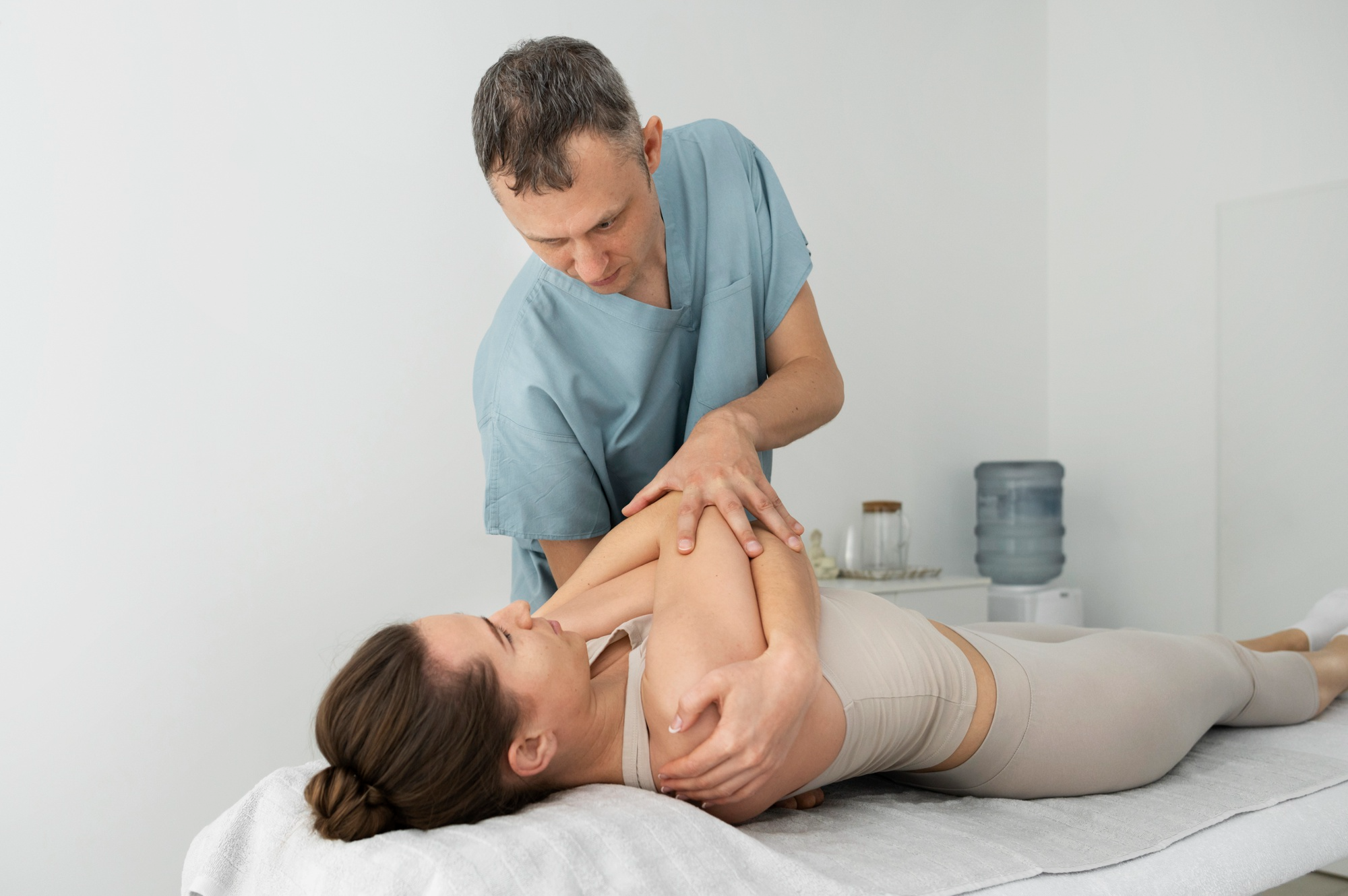
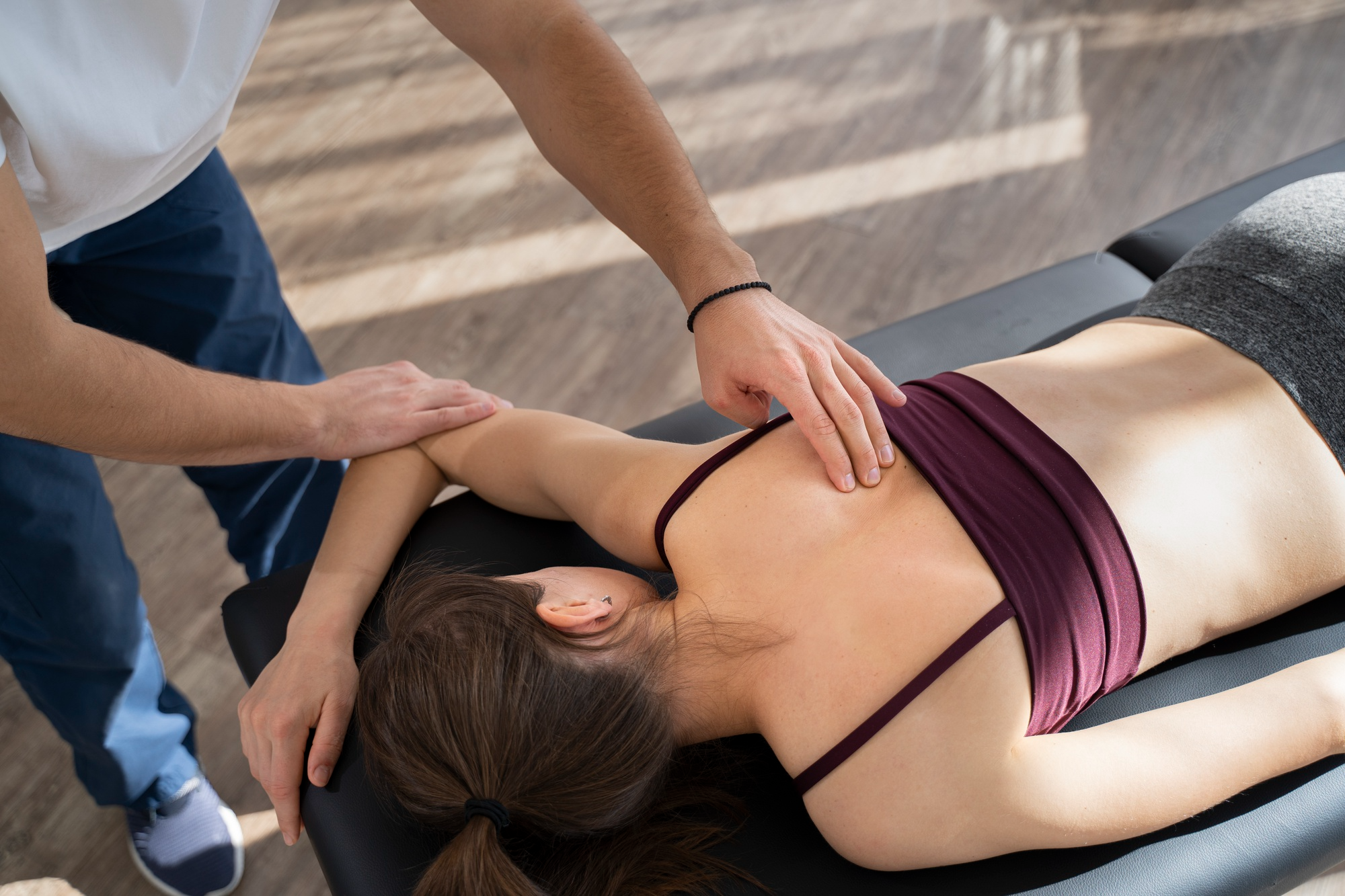
ART works by applying precise pressure to specific muscles, tendons, ligaments, or fascia while you actively move through a targeted range of motion. This combination of manual therapy and guided movement allows us to identify areas of restriction, restore tissue glide, and address the root cause of pain and dysfunction rather than just managing symptoms.

Close-up of pregnant woman kneeling on a yoga mat, holding her belly with both hands.

Who Is Active Release Therapy Suitable For?

Active Release Therapy may be helpful for individuals who:

Experience muscle tightness or stiffness

Have repetitive strain or overuse injuries

Spend long hours sitting or performing repetitive tasks

Are physically active or participate in sport

Notice restricted movement or ongoing muscular discomfort

Treatment is always adapted to your comfort level and individual needs.

What Can I Expect During an ART Session?

Active Release Technique (ART) sessions at Alera begin with a thorough hands-on assessment of the area of concern using movement and palpation. Once the source of restriction is identified, targeted pressure is applied while you move through specific motions, engaging the affected muscle, tendon, or fascia directly.


ART sessions are brief and highly focused. While you may feel some intensity in tighter areas, treatment is always performed within your tolerance and continuously adjusted based on your feedback.


This combination of precise manual therapy and guided movement is what makes ART one of the most effective soft tissue treatments for athletes, active individuals, and anyone dealing with chronic or recurring injury.

Book your consultation Now

What Does Active Release Therapy Help With?

ART is commonly used to address:

Muscle tension
Tightness
Repetitive strain injuries
Muscular man sweating and grimacing as he holds his painful shoulder in a gym.
Sports-related muscle issues
Reduced range of motion
Postural tension
Ongoing muscular discomfort
Sports-related muscle issues
Muscle tension and tightness
Postural tension
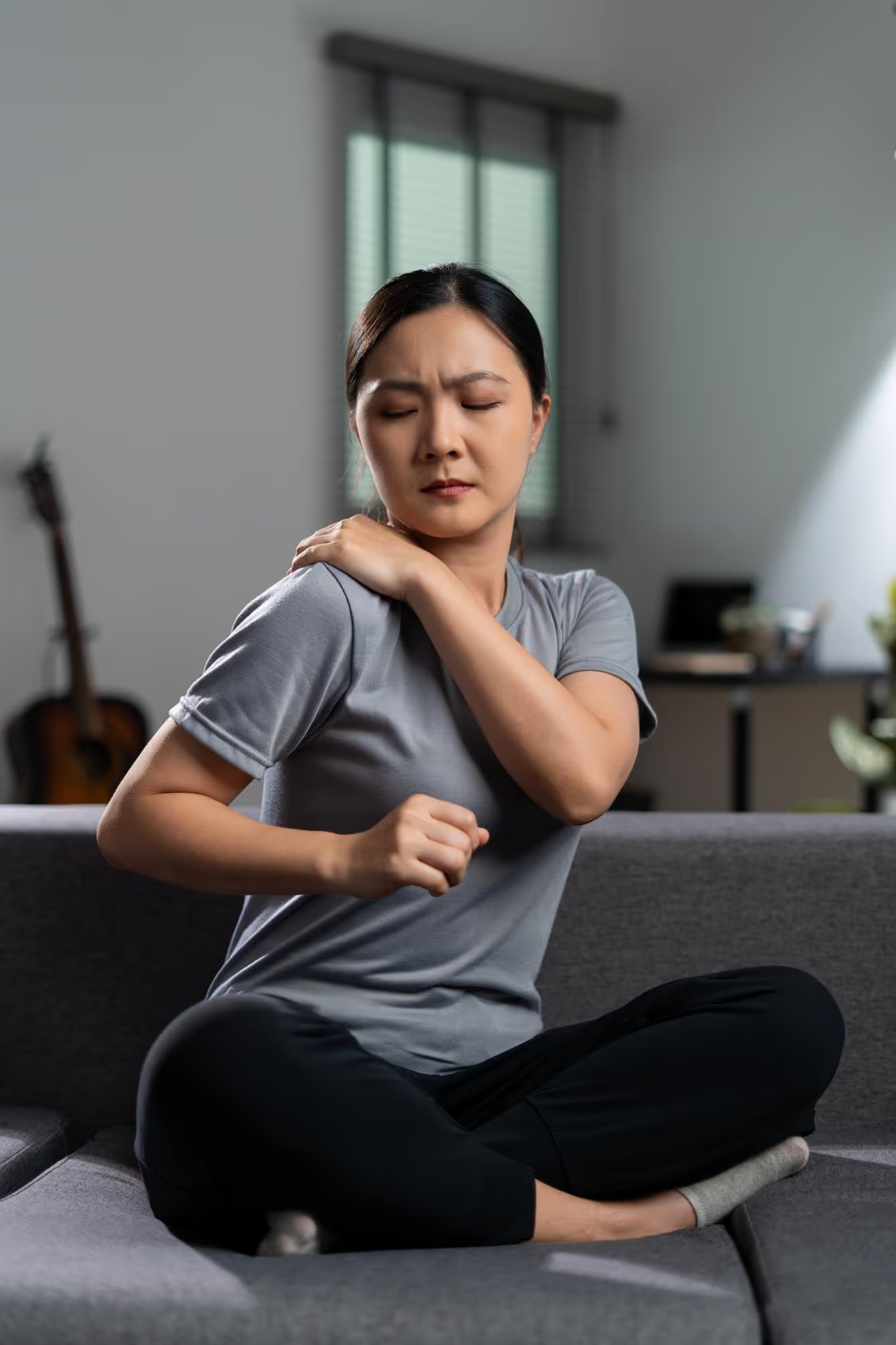
Woman sitting cross-legged on a couch holding her shoulder with a pained expression.
Repetitive strain injuries
Ongoing muscular discomfort
Muscle tension
Tightness
Repetitive strain injuries
Muscular man sweating and grimacing as he holds his painful shoulder in a gym.
Sports-related muscle issues
Reduced range of motion
Postural tension
Ongoing muscular discomfort
Sports-related muscle issues
Muscle tension and tightness
Postural tension
Woman sitting cross-legged on a couch holding her shoulder with a pained expression.
Repetitive strain injuries
Ongoing muscular discomfort
The goal is to improve tissue function and movement, not just reduce pains.

Our Approach to Active Release Therapy

At Alera, Active Release Technique is never used in isolation. It is integrated into a comprehensive, evidence-informed care plan tailored to your individual needs. Whether you are an athlete pushing through training, someone dealing with chronic pain, or simply trying to stay active and feel good, ART is combined with chiropractic adjustments, mobility work, and corrective exercise to treat the root cause and support lasting results.
Trusted and loved by thousands

“Reconnected Me to My Body.”

“I had ongoing tightness that never fully resolved with stretching or massage. Active Release Therapy addressed very specific areas that were limiting my movement, and I noticed a real difference in how my body felt.”

— Client, 34
Trusted and loved by thousands

“Reconnected Me to My Body.”

“I had ongoing tightness that never fully resolved with stretching or massage. Active Release Therapy addressed very specific areas that were limiting my movement, and I noticed a real difference in how my body felt.”

— Client, 34

Frequently Asked Questions

 Active Release Technique painful?

ART can feel intense in tight or restricted areas, but it should never be beyond your comfort level. Treatment is always adjusted based on your feedback throughout the session. Most people describe the sensation as a productive discomfort, similar to a deep stretch, that eases as the tissue releases. The goal is always to work with your body, not against it.

How is ART different from massage therapy?

While massage therapy focuses on general muscle relaxation and tension relief, Active Release Technique is a highly specific, movement-based treatment targeting the exact location of soft tissue restriction. ART combines manual pressure with active patient movement to break up adhesions, restore tissue glide, and address the underlying cause of pain and dysfunction. It is a clinical treatment designed to produce measurable changes in how your tissues move and function.

How many ART sessions will I need?

The number of sessions varies depending on the nature of the condition, how long it has been present, and how your body responds to treatment. Many people notice meaningful improvement within just a few sessions, while more chronic or complex conditions may benefit from a short series of treatments. At Alera, your progress is reassessed regularly so your care plan evolves with you.

Can ART be combined with chiropractic care?

Yes, and it often works best that way. At Alera, ART is frequently integrated with chiropractic adjustments, targeted mobility work, and corrective exercise to create a comprehensive approach to pain relief and movement restoration. Addressing both joint function and soft tissue health together tends to produce faster, longer lasting results than either treatment alone.

Is ART suitable for athletes and non-athletes alike?

Absolutely. While ART is widely used in sport and performance settings to treat overuse injuries, muscle strains, and repetitive stress conditions, it is equally effective for anyone dealing with chronic tightness, postural strain, or restricted movement in daily life. If your body is not moving the way it should, ART can help regardless of your activity level.

How is ART different from other soft tissue therapies like Graston or dry needling?

Active Release Technique, Graston, and dry needling are all effective soft tissue treatments, but they work in different ways and are suited to different presentations.

ART is a movement-based manual therapy. It uses precise hands-on pressure combined with active patient movement to identify and release soft tissue restrictions in muscles, tendons, ligaments, and fascia. Because the patient is actively moving through the treatment, ART is particularly effective for addressing how tissues function during real movement patterns.

Graston Technique uses specially designed stainless steel instruments to detect and break down scar tissue and fascial restrictions. It is a tool-assisted approach that works well for chronic soft tissue thickening and areas that are difficult to access with hands alone

Dry needling involves inserting thin needles directly into trigger points within muscle tissue to release tension, improve blood flow, and reduce pain. It targets the neuromuscular system and is particularly effective for deep muscle knots and referred pain patterns.


At Alera, these therapies are not treated as competing approaches. Depending on your condition and how your body responds, they may be used together as part of a comprehensive care plan to get you the best possible outcome.

Book an Appointment

If you’re dealing with muscle tension, restricted movement, or overuse discomfort, Active Release Therapy may be a helpful part of your care plan.

Follow us @wellnesswithzoya